
Botanical Route in Salobrena
Parque de la Fuente in Salobrena offers a botanical walk among Mediterranean and exotic species such as bougainvillea, hibiscus, palm trees, araucarias and many more
Botanical Route in Salobrena
Parque de la Fuente in Salobrena offers a botanical walk among Mediterranean and exotic species such as bougainvillea, hibiscus, palm trees, araucarias and many more
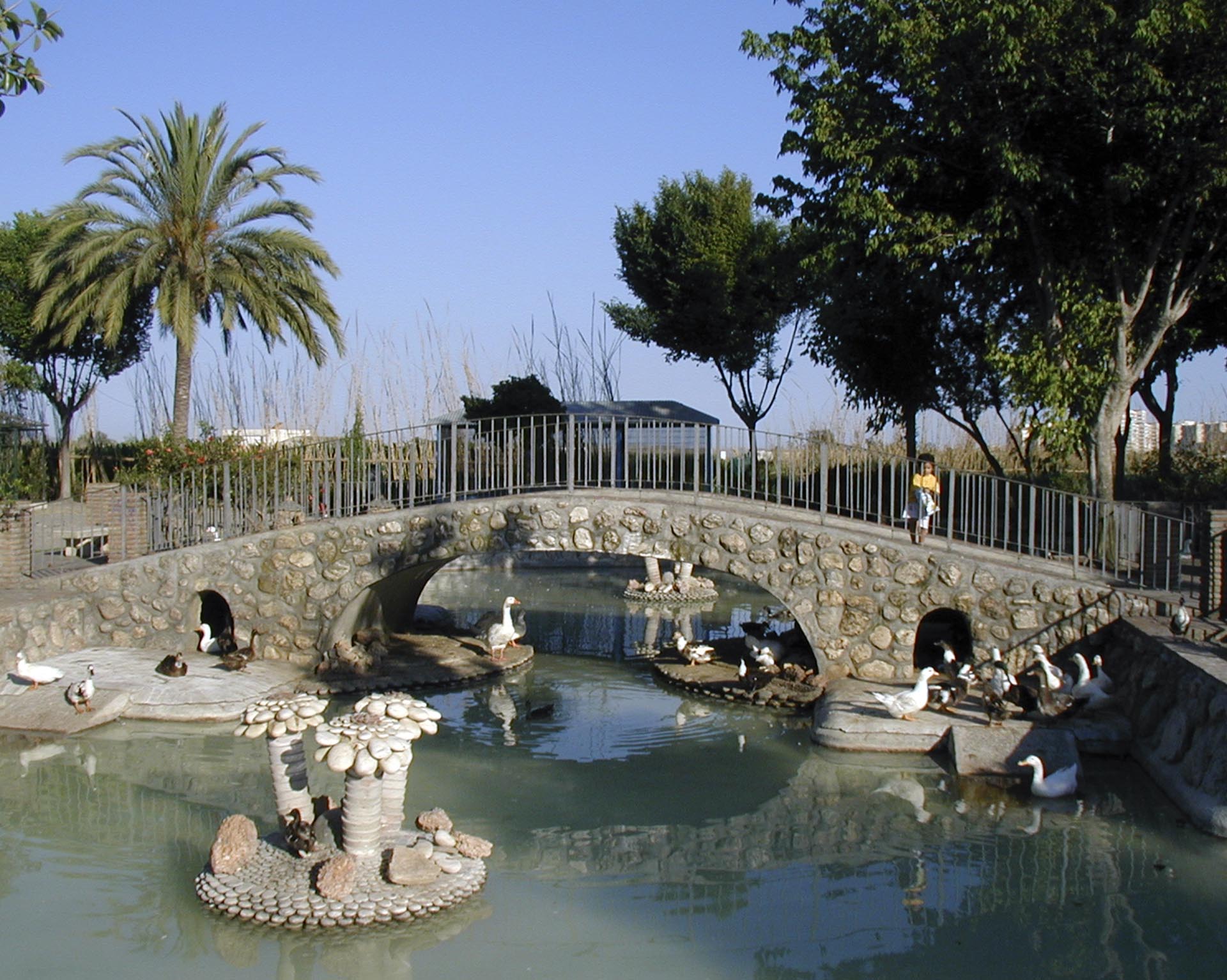
Parque de la Fuente is one of the green lungs of Salobreña and an ideal place for a quiet tourist route suitable for all audiences. Its mild climate allows Mediterranean species to coexist with plants from America, Africa, and Asia, turning the walk into a small botanical world tour.Below you will find a selection of species present in the park, with basic facts and a brief description to identify them during your visit.
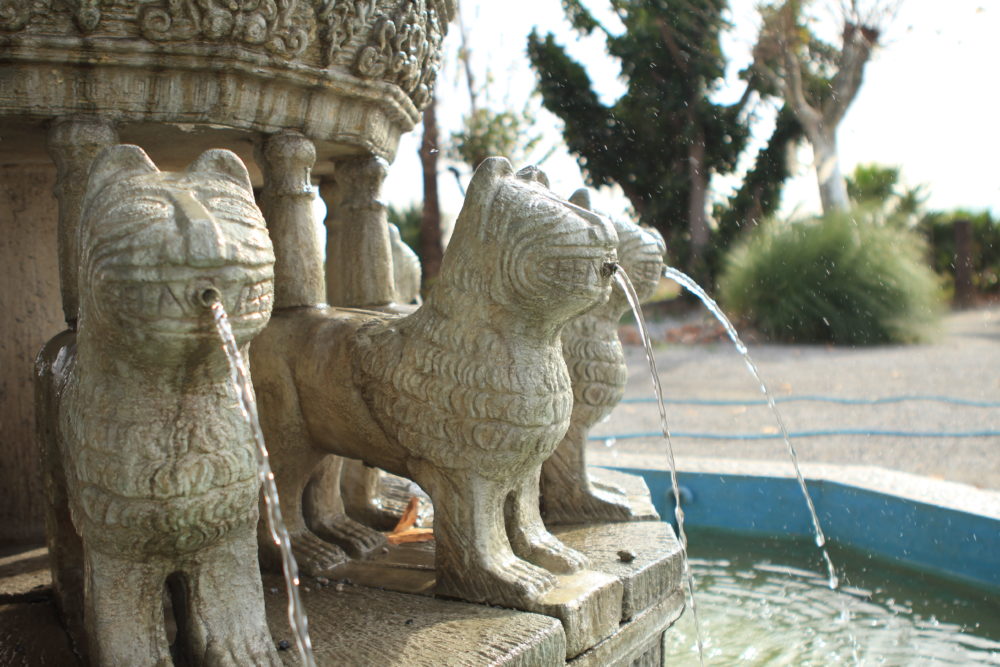
Species and fact sheets
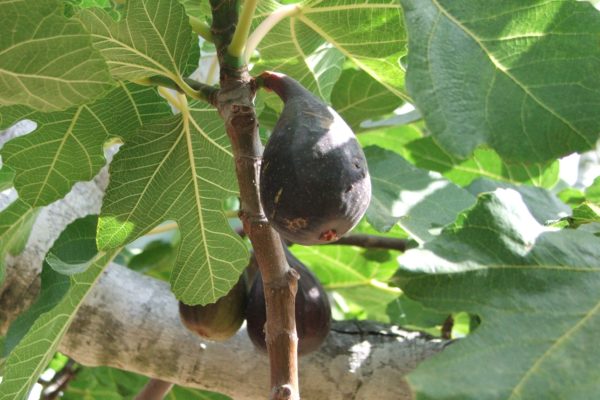
Fig Tree (Ficus carica)
Origin: Mediterranean | Flowering season: April to September
A quintessential Mediterranean tree, closely linked to traditional agriculture. Its fruits (figs) are edible and appear from late spring. It tolerates drought well and usually thrives in sunny, stony soils.
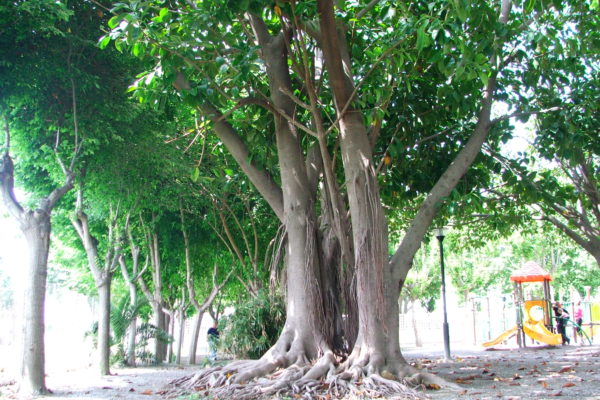
Rubber Plant (Ficus elastica)
Origin: India | Flowering season: None
An ornamental species with large, glossy leaves, appreciated for its elegant form. Outdoors it can reach a considerable size in warm climates. In its natural habitat, it develops aerial roots and a sturdy trunk.
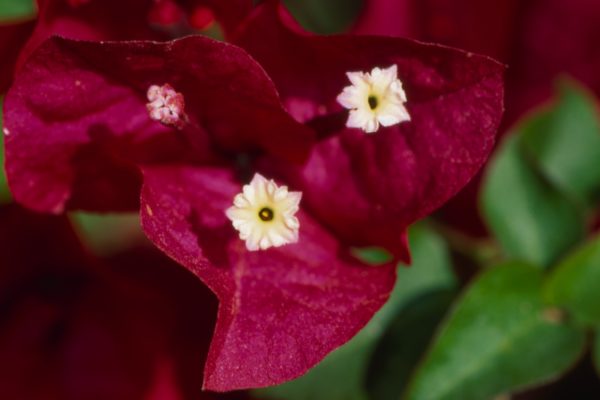
Bougainvillea (Bougainvillea sp.)
Origin: Brazil | Flowering season: All year round
A very hardy climbing plant typical of coastal areas. Its striking ?flowers? are actually brightly coloured bracts (mauve, fuchsia, white or orange). Perfect for pergolas and sunny fa?ades.
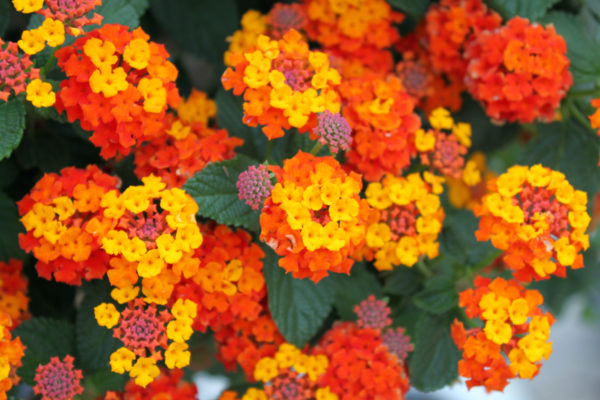
Spanish Flag (Lantana camara)
Origin: Jamaica | Flowering season: All year round
A shrub known for its clusters of bicoloured flowers. On the Costa Tropical it blooms almost all year thanks to the high number of sunshine hours. It is often used in hedges and can grow over 2 metres tall.
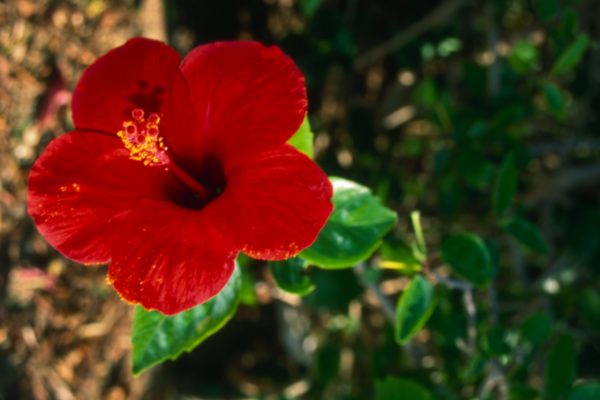
Hibiscus (Hibiscus rosa-sinensis)
Origin: China | Flowering season: All year round
An ornamental shrub with large trumpet-shaped flowers. The red variety is the most common, although it can also be yellow or orange. Each flower lasts only a short time, but the plant blooms repeatedly in mild climates.
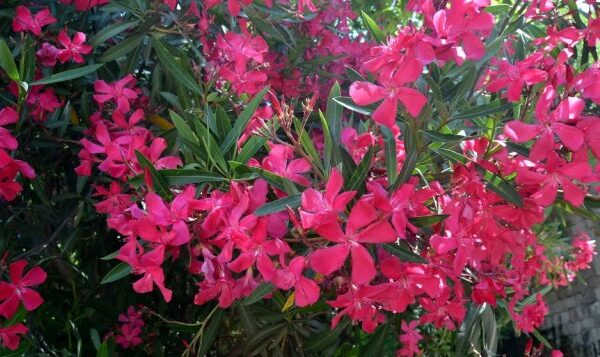
Oleander (Nerium oleander)
Origin: Mediterranean | Flowering season: All year round
A very common Mediterranean plant in gardens and along roads. It flowers mainly from spring to autumn in pink, white or purple tones. Warning: the whole plant is toxic and must not be eaten.

Century Plant (Agave americana)
Origin: Mexico | Flowering season: April to September
A succulent plant with fleshy, spiny leaves, well adapted to dry soils. It can take decades to flower and, after sending up its large flower stalk, the mother plant dies, leaving offshoots behind. It has traditionally been used for fibres, ropes and other practical uses.
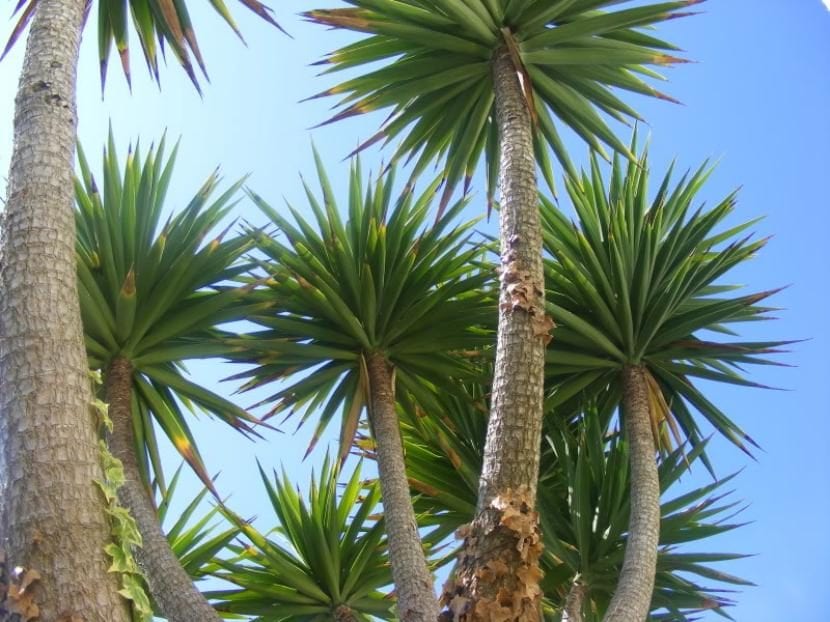
Yucca (Yucca elephantipes)
Origin: Mexico and Guatemala | Flowering season: May to September
Easily recognised by its thickened trunk and long leaves. In summer it can produce clusters of white flowers. It is a very hardy species often used in warm-climate gardening.
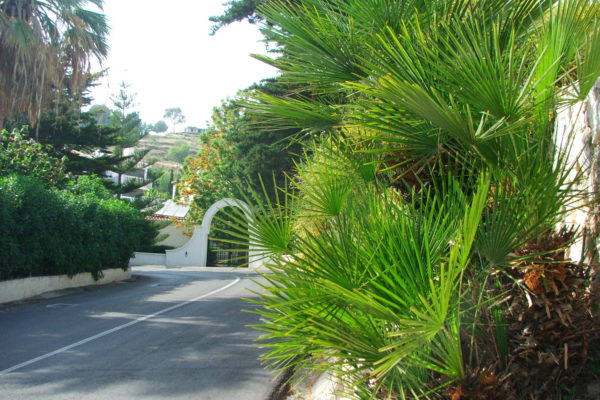
Mediterranean Fan Palm (Chamaerops humilis)
Origin: Mediterranean | Flowering season: June to August
One of the few palm species native to Europe. It grows slowly and usually stays compact, although in favourable conditions it can reach several metres. Its ?heart? is the edible part traditionally known as palmito.
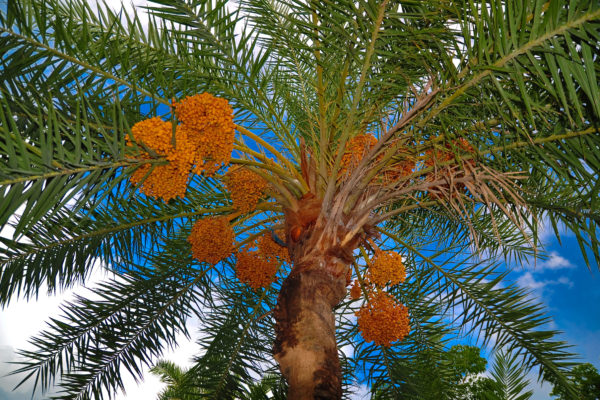
Date Palm (Phoenix dactylifera)
Origin: North Africa | Flowering season: February to May
A tall, slender palm famous for its edible dates. Its leaves are duller in tone than those of the Canary Island date palm and it is widely used in urban alignments.
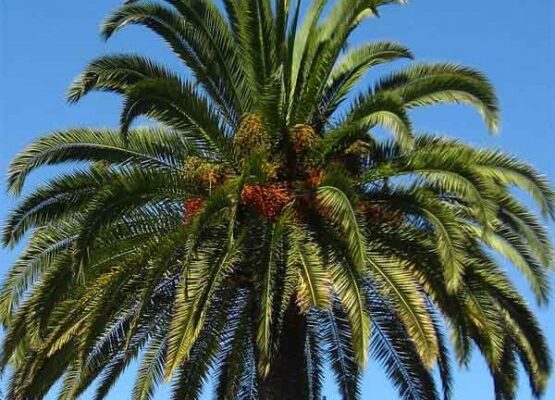
Canary Island Date Palm (Phoenix canariensis)
Origin: Canary Islands | Flowering season: February to May
With its thick trunk and dense crown, it is one of the most recognisable ornamental palms. It produces clusters of small fruits and adapts well to coastal climates.
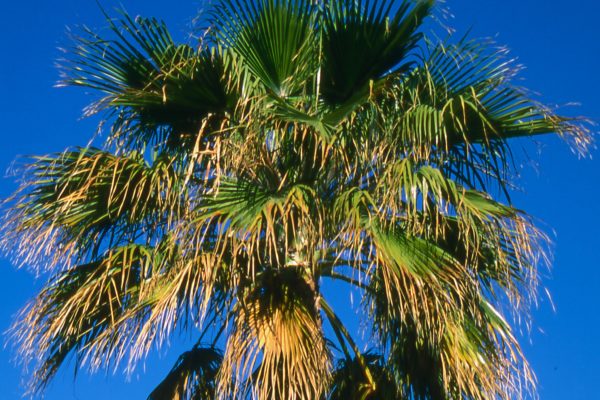
Mexican Fan Palm (Washingtonia robusta)
Origin: Mexico | Flowering season: May to September
A tall, slender palm with a ?skirt? of dry leaves often hanging from the trunk. Widely used along promenades and avenues thanks to its fast growth.
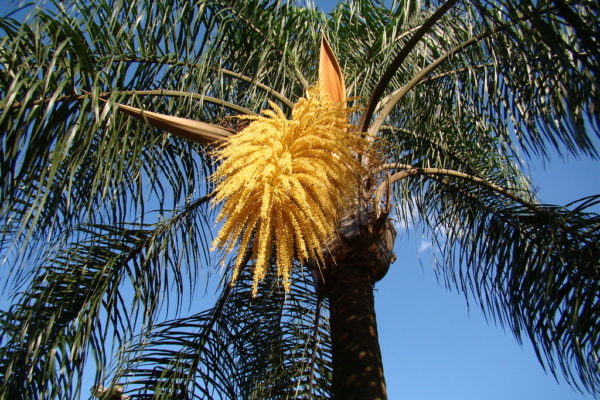
Queen Palm (Syagrus romanzoffiana)
Origin: Brazil | Flowering season: Spring to autumn
An elegant palm with arching fronds and a feathery appearance. It produces orange fruits that are not usually eaten. It brings a strongly tropical look to the setting.
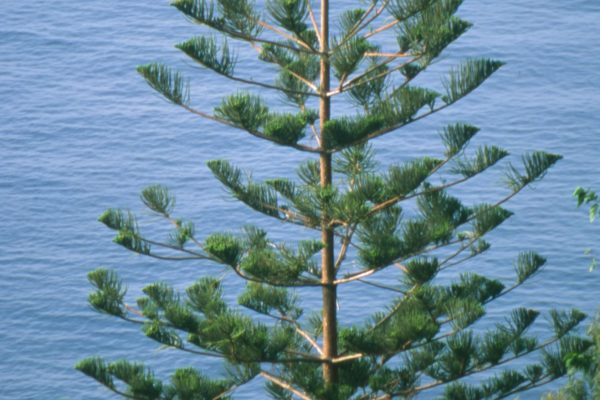
Araucaria (Araucaria heterophylla)
Origin: Australia | Flowering season: None
An ornamental conifer with a very recognisable silhouette, with branches arranged in tiers. Outdoors, over time, it can reach considerable heights and becomes one of the park's emblematic trees.
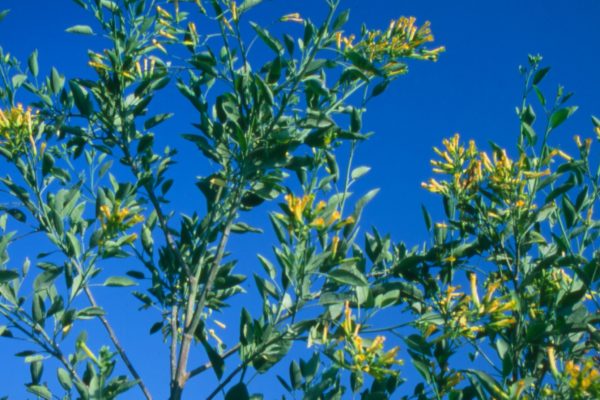
Pigeon Pea (Cajanus cajan)
Origin: India | Flowering season: August to February
A leguminous shrub of agricultural interest in warm climates. Its seeds are used in cuisine in different countries, and the plant improves the soil by fixing nitrogen.
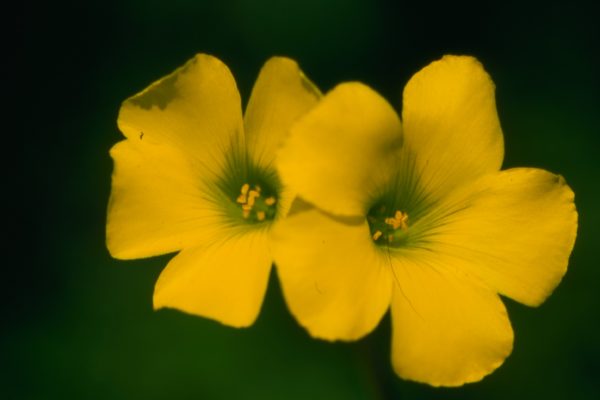
Bermuda Buttercup (Oxalis pes-caprae)
Origin: South Africa | Flowering season: October to April
A herbaceous plant widespread in the Mediterranean area. It stands out for its yellow flowers and its ability to colonise disturbed soils. It appears in abundance during the cooler months.
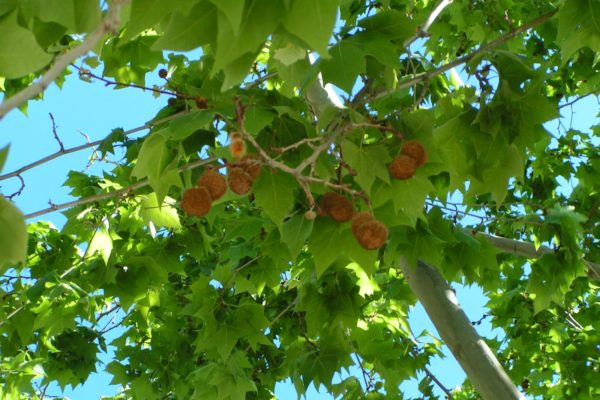
London Plane Tree (Platanus hybrida)
Origin: Europe | Flowering season: None
A large tree, ideal for creating shade in parks and avenues. Its large leaves turn yellow in autumn, providing a very visible seasonal change.
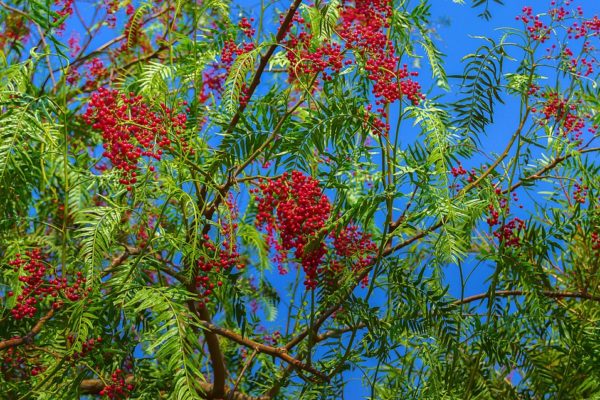
Peruvian Pepper Tree (Schinus molle)
Origin: Chile | Flowering season: February to April
An ornamental tree with drooping branches and a distinctive fragrance. It produces clusters of pink fruits known as ?pink pepper? (with limited culinary use and not the same as black pepper).