
Bountiful
Gastronomy
Salobre?a's gastronomy is the most flavorful reflection of its identity. Its cuisine combines the sea, the fertile plain (la vega), and history in an experience that transcends the simple act of eating. In every dish, in every tavern, beats the spirit of a town that has managed to preserve its essence while embracing culinary creativity and diversity.
Bountiful
Gastronomy
Salobre?a's gastronomy is the most flavorful reflection of its identity. Its cuisine combines the sea, the fertile plain (la vega), and history in an experience that transcends the simple act of eating. In every dish, in every tavern, beats the spirit of a town that has managed to preserve its essence while embracing culinary creativity and diversity.

Gastronomic Activities and Local Essence
In the section dedicated to gastronomic activities, it is highlighted how Salobre?a has made its cuisine a cultural and tourist emblem. More than sixty establishments?including tapas bars, chiringuitos (beach bars), freidur?as (fried food shops), historic taverns, and gourmet restaurants?compose a varied and vibrant offer throughout the year.
Local products from the market gardens (huerta) and the sea are the protagonists: fresh fish, seafood, vegetables, tropical fruits, and traditional recipes are combined to create dishes full of authenticity. In this coastal town, gastronomy is understood as a complete experience that involves the landscape, the customs, and the character of its people.
Throughout the year, Salobre?a organizes culinary routes, cooking workshops, and events dedicated to promoting native flavors, bringing visitors closer to the gastronomic roots of the municipality. These activities reinforce the link between those who produce, cook, and enjoy the foods that identify this Granada locality.

Saborea Salobreña: The Pillars of Flavor
The project Saborea Salobre?a precisely defines the three pillars of its cuisine: the sea, the fertile plain (la vega), and the local people.
From the sea come rock fish, zarzuelas (seafood stews), sardine espetos (skewers), or pickled blue fish (escabeches de pescado azul), always fresh and served with simplicity and respect for the raw ingredients. From the plain (la vega) come dishes made with seasonal vegetables, gazpachos, tropical salads, and fruits as characteristic as cherimoya (chirimoya), mango, or avocado, which provide an exotic and refreshing touch.
Tradition is maintained thanks to popular knowledge. The locals (salobreñeros) preserve lifelong recipes: migas (breadcrumbs), dogfish stews (guisos de cazón), seafood soups, or Moorish sweets of Arab heritage. Desserts like leche rizada (a type of iced milk dessert), tropical fruit semi-freddos (semifríos), and artisanal cherimoya ice cream also stand out.
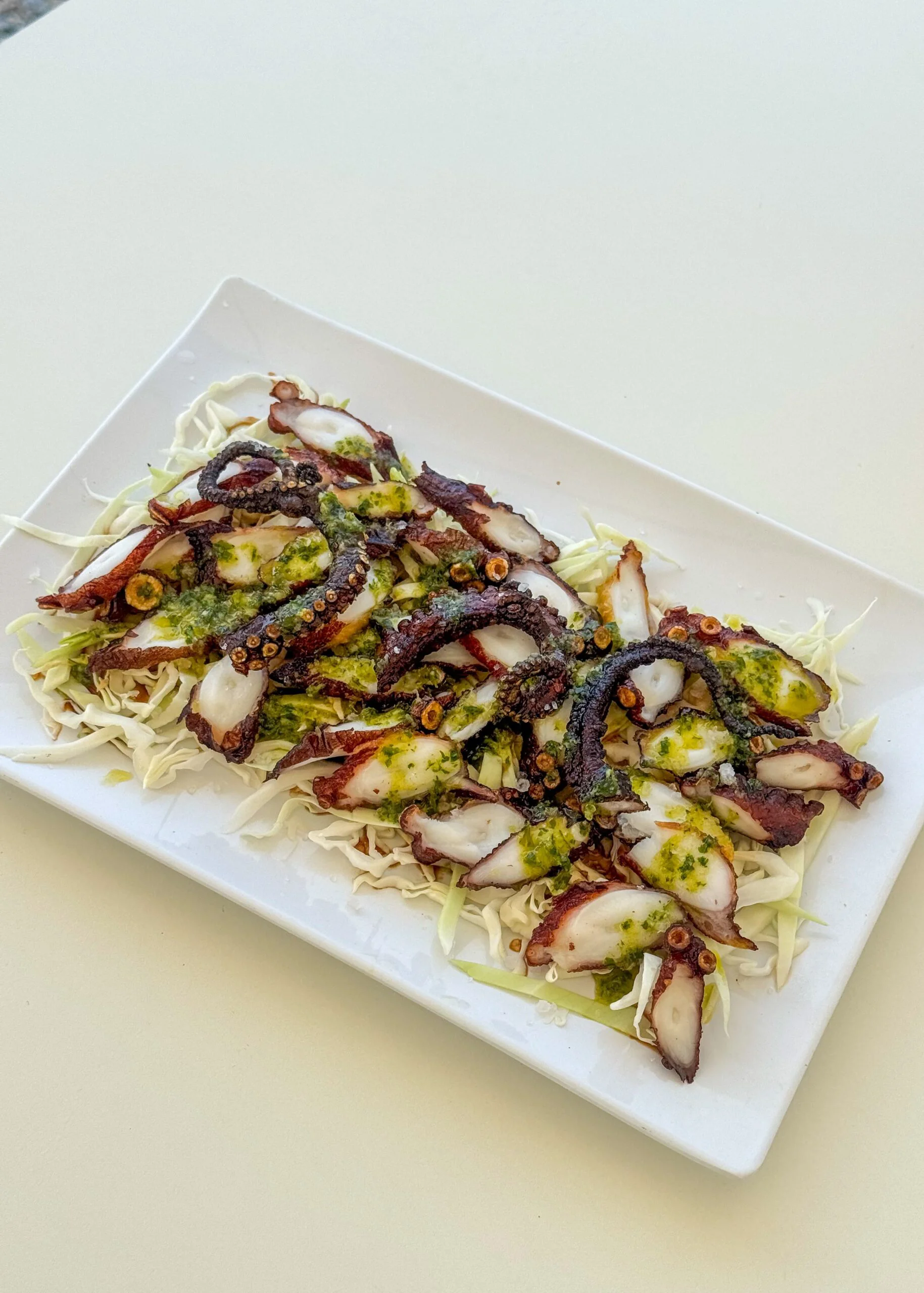
Among the essential dishes that cannot be missed are sardine espetos, seafood zarzuela, migas with fried fish, pulpo a la salobre?era?with tomato sauce, fried bread, garlic, wine, paprika, and bay leaf?and the classic espicha de boquerones with fried eggs and garlic. Every preparation reflects the intimate connection between the cuisine and the landscape.

Gastronomic Route through Salobreña
Salobre?a's gastronomic route proposes a journey through the different environments of the municipality, where each area has its own culinary personality.
In the urban center, restaurants and taverns like La Bodega, Mes?n de la Villa, Sirocco, Anta?o, and Barbas represent traditional Mediterranean cuisine, based on the market gardens and the sea. On central streets like Flores de Lemis or Garc?a Lorca, you will find a good selection of spots, such as Pan de Trigo or Cruzada, where you can taste pinchos and traditional dishes.
The Old Town (Casco Antiguo) offers a more intimate and evocative experience. Amidst whitewashed alleys and viewpoints, establishments like La Botica, Restaurante Terraza Pesetas, La Roka, La Traviesa, or Cervecer?a Mart?n combine traditional dishes with signature creative proposals, in settings steeped in history. Dining under the gaze of the castle or facing the Mediterranean turns any dish into an unforgettable memory. The restaurants Miba and Salambina, located next to the Salobre?a access road, should not be forgotten for their international and gourmet cuisine alongside a unique location with impressive views over the valley and the Salobre?a castle.

In the maritime zone, especially in the neighborhoods of La Caleta and La Guardia, gastronomy is experienced alongside the sound of the sea. Be sure to visit El Puentecillo, Bar Gloria, La Rebeca, or Restaurante Manolo. On Salobre?a's beachfront promenade, chiringuito (beach bar) restaurants abound right on the sand, such as El Pe??n, Flores, Charca, Emilio, La Bah?a, or El Molino, offering fried dishes (frituras), grilled meats and fish (parrilladas), and paellas with the freshest fish. There, eating is also about contemplating the horizon and feeling the salty breeze.
The route also includes options like Verdejo, Biznaga, El Barco for tasting fish and seafood, along with other proposals like the Asador El Quincho grill house, Borocco, or the SteakHaus Tropical, ideal for those looking for set menus, meat served on hot stone (carnes a la piedra), or international flavors without losing the relaxed atmosphere of the Costa Tropical.

Taverns with History
Salobre?a's historic taverns are places where gastronomy and the past meet. Many of these spaces stand on old buildings that preserve the character of previous centuries, integrating architecture, memory, and cuisine.
The restaurant El Pe??n, located on what was an islet in Phoenician and Roman times, was born as a humble fisherman's hut (chambao) and is today one of the references for local maritime gastronomy, famous for its espetos (skewers) and its incomparable view of the sea.

In the Old Town (Casco Antiguo), the Paseo de las Flores preserves evidence of occupation since the Bronze Age. There, Cervecer?a Mart?n offers a cozy corner next to the Arab castle and the Postigo viewpoint, where every stone recalls the medieval history of the village.
In the Plaza del Antiguo Ayuntamiento, the historic heart of Salobre?a, you can find La Botica, installed in a building that was a genuine pharmacy (botica) centuries ago. Its menu mixes tradition and simplicity, with dishes like omelets (tortillas), garlic shrimp (gambas al ajillo), or broken eggs (huevos rotos), served in a charming setting.

Taberna El Cuesta
Another emblematic corner is Taberna El Cuesta, situated on a small street near Salobreña's Culture House. In the 18th century, it housed a communal oven governed by the Church; today it retains that cozy and serene atmosphere that makes it a perfect place for a drink or a quiet meal.

El Pesetas
El Pesetas, located next to La B?veda, was originally an old charcoal store, then a tavern selling wine in bulk. Known as the first establishment in Salobre?a to allow women entry, this place, founded over 60 years ago, offers impressive views of the Costa Tropical from its terrace. Its cuisine combines meat, fish, and dishes with a contemporary touch.

La Roka
Finally, La Roka, in the Albayc?n neighborhood, stands over the Tajo del Gambull?n on which Salobre?a is settled. Its cuisine fuses local produce to create creative dishes, such as the Sult?n salad or the babuchas, served on a terrace overlooking the Mediterranean, where the sunsets become a spectacle of color every day.

A Town to Devour
Every corner of Salobre?a has its flavor and its history. From a tapeo (tapas crawl) by the sea to dinners under the castle, everything in this locality invites you to discover its essence through food. Its cuisine is an homage to Mediterranean life: fresh, colorful, healthy, and always shared. Therefore, it is no exaggeration to say that Salobre?a is "a town to devour".
